Real Estate Investing

what does pre-foreclosure mean

What Does Pre-Foreclosure Mean? And How to Avoid It.

Key Takeaways Pre-foreclosure begins when a lender files a Notice of Default (or lis pendens) after 3–6 months of missed payments — the borrower still owns the property. During pre-foreclosure, borrowers have options: reinstatement (pay all arrears), loan modification, short sale, or deed in lieu of foreclosure. A short sale in pre-foreclosure requires lender approval […]

What Does Pre-Foreclosure Mean? And How to Avoid It. Read More »

what is unimproved land

What is Unimproved Land & Is It Worth Buying?

Key Takeaways Unimproved (raw) land lacks utilities, structures, and often road access — making financing, development, and resale all more complex than improved property. Financing raw land is difficult: most lenders require 25–50% down, charge higher rates, and demand more documentation than for improved property — seller financing is common. Development potential determines raw land

What is Unimproved Land & Is It Worth Buying? Read More »

Should You Use Your Basement as a Bedroom

Should You Use Your Basement as a Bedroom?

Key Takeaways Basements typically cannot be classified as legal bedrooms unless they meet specific requirements: egress window (minimum opening size), ceiling height, and in some jurisdictions, direct access. In Maryland, Virginia, and DC, the specific bedroom egress and square footage requirements vary by jurisdiction — confirm local building code before marketing a basement space as

Should You Use Your Basement as a Bedroom? Read More »

13 Ways To Get Started In Real Estate Investing

13 Strategies to Get Started in Real Estate Investing

Key Takeaways The most accessible entry points for new real estate investors: househacking (owner-occupy multifamily), BRRRR with a single-family home, and REITs for completely passive exposure. Leverage amplifies both returns and losses — underwriting deals conservatively (7%+ cap rate, 1.25+ DSCR) protects you in market corrections. Most successful investors specialize in one asset type and

13 Strategies to Get Started in Real Estate Investing Read More »

Hard Money Lender VS Private Money Lender

Hard Money vs. Private Money Lenders – What’s the Difference?

Key Takeaways Hard money lenders are asset-based — they lend against the property’s value (typically 65–75% ARV) rather than the borrower’s creditworthiness, making approval fast but rates high (8–15%). Private money lenders are typically individuals (family, friends, or private investors) lending at negotiated terms — often more flexible than hard money but requires relationship capital.

Hard Money vs. Private Money Lenders – What’s the Difference? Read More »

How To Wholesale Real Estate From Start To Finish

How to Wholesale Real Estate from Start to Finish

Key Takeaways Wholesaling real estate involves finding a distressed property, entering a purchase contract, and assigning that contract to an end buyer for an assignment fee — typically $5,000–$20,000. Wholesale deals work only when the math works for the end buyer (typically a rehabber or landlord): purchase price + renovation + holding costs + profit

How to Wholesale Real Estate from Start to Finish Read More »

Are REO Foreclosures Good or No

REO Foreclosures – Worth the Risk Or a Hard Pass?

Key Takeaways REO (Real Estate Owned) properties are lender-owned assets — banks and servicers typically sell them at a discount to move inventory quickly. REO listings are often sold as-is, meaning the seller won’t make repairs — a thorough home inspection and title search are especially important. REO titles sometimes carry subordinate liens, HOA arrears,

REO Foreclosures – Worth the Risk Or a Hard Pass? Read More »

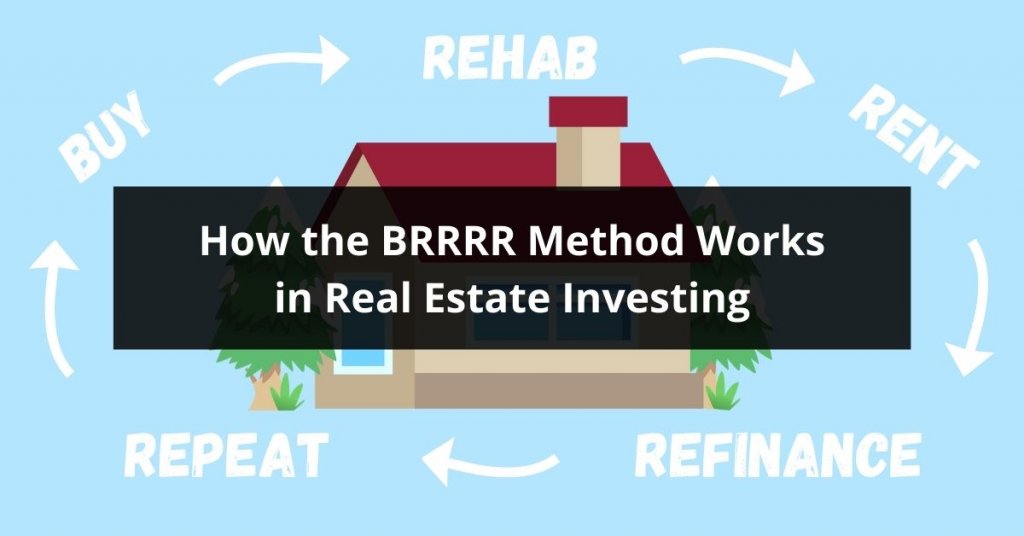
How the BRRRR Method Works in Real Estate Investing

How the BRRRR Method Works in Real Estate Investing

Key Takeaways BRRRR (Buy, Rehab, Rent, Refinance, Repeat) is a strategy to recycle capital: buy distressed property at below-market price, renovate, rent it, then cash-out refinance to pull out equity for the next deal. The key to BRRRR math: the after-repair value (ARV) must be high enough that the refinance proceeds cover your original purchase

How the BRRRR Method Works in Real Estate Investing Read More »

What Is An Escalation Clause In Real Estate

What is an Escalation Clause in Real Estate?

Key Takeaways An escalation clause automatically increases your offer above a competing offer by a set increment, up to a maximum — designed to win multiple-offer situations without overpaying. Escalation clauses require the seller to provide proof of the competing offer that triggered the escalation — without this, you can challenge an unsubstantiated claim. The

What is an Escalation Clause in Real Estate? Read More »